
IoT eSIM
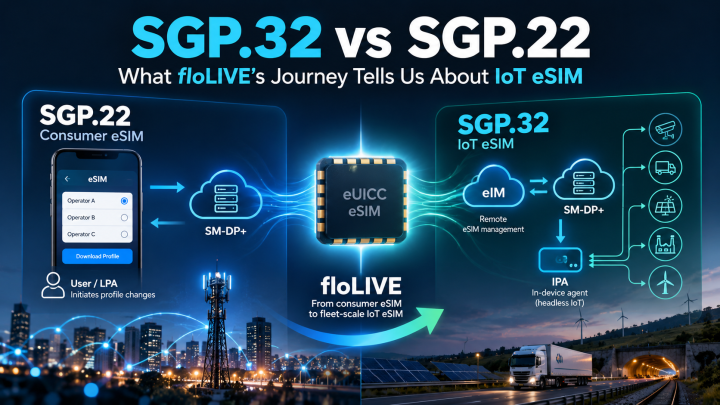
SGP.32 vs SGP.22: What floLIVE’s Journey Tells Us About IoT eSIM
Most SGP.32 vs SGP.22 explainers stop at the spec sheet: one standard is for phones, the other is for IoT,…
Clear technical guides for teams working with IoT SIMs, eSIM routers, remote provisioning, provider platforms, private networks and the shift from SGP.22 to SGP.32.
Focused entry points for the most important eUICC, eSIM, SGP.32, platform and IoT connectivity topics.
The essential guide to embedded UICC technology, eSIM profiles and remote provisioning.
Read guide →⇄Understand the new IoT eSIM standard, eIM architecture and deployment impact.
Read guide →◈How orchestration, switching and provider-neutral control layers change IoT connectivity.
Read guide →▤eSIM routers, gateways, modules and devices used in practical IoT deployments.
Read guide →◎Mobile networks, roaming, private APNs, fixed IP options and provider realities.
Read guide →✦Step-by-step guidance for planning, comparing and migrating IoT connectivity estates.
Read guide →Recent guides, hardware notes, standards commentary and implementation advice.
Most SGP.32 vs SGP.22 explainers stop at the spec sheet: one standard is for phones, the other is for IoT,…

An IoT device specified this year could still be in service in 2040. Over that span the networks it connects…
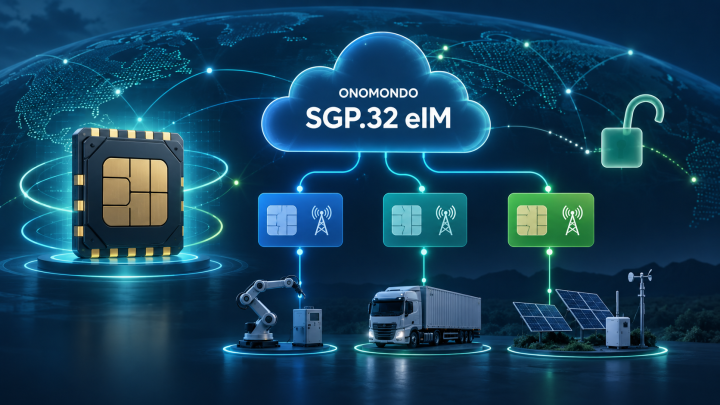
Onomondo has launched its own SGP.32 eSIM IoT Remote Manager, or eIM, with a deliberately provocative promise: an IoT business…

Ask a Norwegian IoT supplier whether they do eSIM and the answer is almost always yes. It is also almost…

At a glance The trick A removable eUICC card with IPAe gives an ordinary router genuine SGP.32 remote provisioning, no…
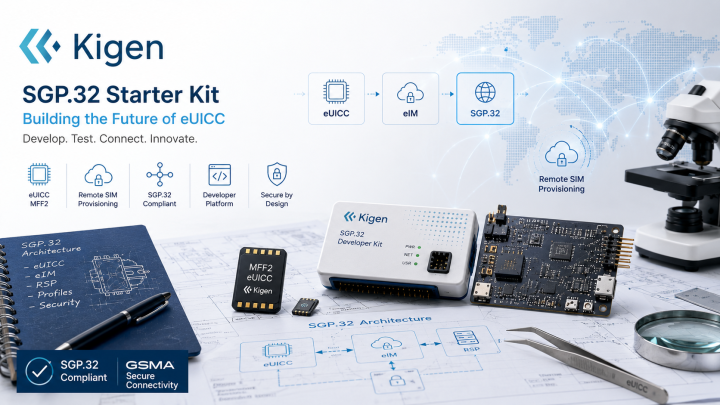
Every few months the eSIM industry produces an announcement that looks like a product but reads, if you tilt it…
Use the site as a reference library for eUICC, SGP.32, eSIM hardware, network choices and the practical differences between standards, platforms and deployment models.
Start here →